Ravi & Naina Patel Foundation

Our Work

Regenerative Food Systems

“Compassion from the ground up”

Due to our deep roots in Kern County, we see the essential role agriculture and food systems play in creating happy healthy soil, plants, animals, and human beings. We focus our giving on supporting research and adoption of regenerative agricultural methods as well as organic food consumption across California. Additionally, we make grants that have a high impact on farmed animal welfare around the globe. Our hope is to create a world where our food systems serve as networks to aid in the nourishment and welfare of all sentient beings.

01

Regenerative Farming Bakersfield College

Regenerative organic farming practices are a powerful way to improve our soil, our air, our water, and our health. While creating healthier foods, decreasing pollution, and drawing carbon out of the atmosphere back into the soil; these practices can also have many practical and economic benefits for farmers. Despite the benefits, there is still a lack of education programs or resources dedicated towards helping farmers in Kern County transition to regenerative farming and thus a low rate of adoption.

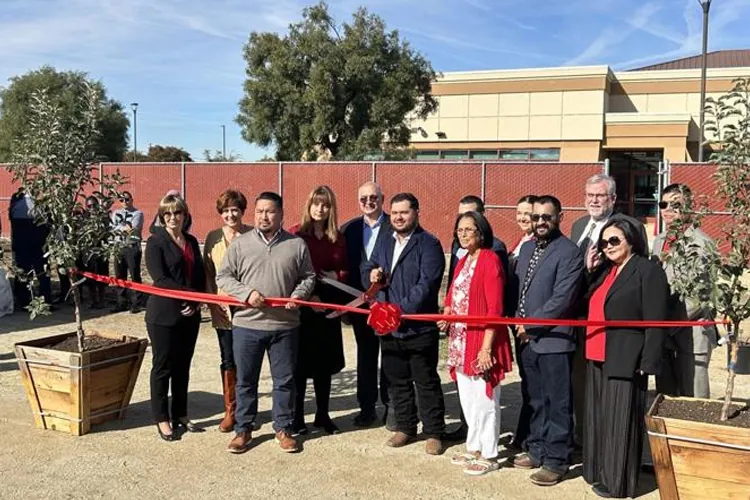
In order to change this situation, the RNP Foundation, the White Buffalo Foundation, TomKat Ranch, and Bakersfield College worked in partnership to create The Regenerative Agriculture Education Center. The Regenerative Agriculture Education Center is a living laboratory that exhibits current practices in regenerative agriculture, offers non-credit workshops and courses, and acts as a networking hub for connecting experts, farmers, students, consumers, and landholders. The advisory board consists of thought leaders in the field from industry experts, to educators, to innovative non-profits.

The center is farmed and maintained by BC student interns as well as the associated education infrastructure. The center provides specialized workshops/courses, acts as a knowledge hub for regenerative farming in Kern County, has an online certificate course, and maintains an “equipment library” of many tools necessary to transition to regenerative farming that local farmers can rent free of charge. All the course work in the center is available not only to BC students, but anyone who’s interested. Additionally, in collaboration with the California Renewable Energy Laboratory, it has introduced Agrovoltaics - A system of farming that involves placing solar panels above the crops to provide solar energy for the machines on the farm.

Recently, the center received an unexpected donation of ten producing pistachio trees (approximately five years old), which they were able to transplant into the final section of native soil on the regenerative farm.

This created a unique opportunity—they now have the only producing pistachio plot being studied under regenerative practices from a true day-zero conversion. In addition, the BC center is partnering with CSU Chico to develop an articulated Bachelor of Science degree in Regenerative Agriculture.

02

Healthy Soil, Regenerative Agriculture, and the Rodale Institute

Rodale InstituteSoil Health Institute

Healthy soil is the foundation of a healthy food system. It supports nutritious crops, stores carbon, improves water infiltration, reduces erosion, and sustains the countless organisms that make agriculture possible. Regenerative agriculture seeks to restore these vital soil functions through practices such as cover cropping, compost application, reduced tillage, crop diversification, and responsible livestock integration. By rebuilding soil health, regenerative farming benefits farmers, consumers, wildlife, and the environment alike while creating more resilient agricultural systems for future generations.

To advance this vision, the RNP Foundation proudly supports the Rodale Institute, the pioneering organization that has led scientific research on organic and regenerative agriculture for more than seventy-five years. In 2020, the Foundation helped support Rodale Institute’s expansion into California by contributing to the establishment of its West Coast research center. Since then, we have continued our partnership by funding Rodale’s consulting services for farmers in Kern County. Through one-on-one technical assistance, educational programs, and field-based guidance, these consultants help conventional growers successfully transition to regenerative and organic farming practices, improving soil health while strengthening the long-term economic sustainability of their farms.

The RNP Foundation also supports the Soil Health Institute (SHI), a leading nonprofit dedicated to advancing the science and adoption of healthy soils. SHI conducts cutting-edge research on soil management, develops practical tools that allow farmers to measure and monitor the health of their soils, and evaluates the agronomic and economic outcomes of regenerative farming practices. Together, our partnerships with Rodale Institute and the Soil Health Institute reflect our belief that restoring soil is one of the most powerful ways to improve environmental health, strengthen local food systems, support farmers, and ensure that future generations inherit productive and resilient farmland.

03

Legacy Environmental Data Sets

Can you imagine turning back the clock to a time when our world was greener and nature more abundant? Decades-old ecological data can help us do exactly that. Historical records reveal what tropical forests looked like before widespread logging, agricultural expansion, and degradation, providing an invaluable baseline for restoring ecosystems, understanding biodiversity loss, and improving forest management. Yet much of this information still exists only on aging paper records that are vulnerable to floods, fire, insects, and simple neglect.

To preserve this irreplaceable scientific legacy, the RNP Foundation supported a collaboration between the Forest History Society, the Organization for Tropical Studies (OTS), and Bangor University. Together, these organizations rescued, organized, catalogued, and digitized decades of tropical forest data from around the world.

The Forest History Society coordinated the preservation of historically significant research records, OTS recovered long-term ecological datasets from tropical field stations in Costa Rica and South Africa, and Bangor University preserved the Commonwealth Forestry Archive—containing forest inventories, growth studies, and plantation trials dating back to the 1960s and 1970s. These rescued datasets now provide researchers with critical tools for tropical forest restoration, climate-change research, biodiversity conservation, long-term ecosystem monitoring, and the design of climate-resilient forests. By ensuring this knowledge is preserved and accessible, the project helps scientists better understand what has been lost and how we can restore tropical forests for future generations.

04

Kitchen Table Advisors

Kitchen Table Advisors

The RNP Foundation is proud to deepen its partnership with Kitchen Table Advisors by committing $200,000 annually over the next three years to help advance the organization’s ambitious 10-year vision for building a more resilient, equitable, and regenerative food system in California. This new commitment builds on our initial $100,000 grant in 2021, reflecting our continued confidence in Kitchen Table Advisors’ leadership and the lasting impact of its work with farmers.

$200,000
annually, next three years
$100,000
initial grant, 2021

Kitchen Table Advisors provides personalized business advising, technical assistance, and long-term mentorship to beginning, immigrant, and historically underserved farmers. By helping farmers build financially viable operations, steward their land responsibly, and navigate the many challenges of agriculture, the organization strengthens the foundation of local food systems. Its work enables more farms to thrive, supports the transition to regenerative and organic farming practices, and expands access to fresh, locally grown food for communities across California.

At the RNP Foundation, we believe that caring for the land, supporting those who grow our food, and fostering healthy communities are deeply connected. Kitchen Table Advisors’ long-term vision aligns closely with our commitment to regenerative agriculture, environmental stewardship, and compassionate service. We are honored to support this next chapter of their work and look forward to the positive impact this partnership will have for farmers, consumers, and the health of our food system for years to come.

05

Plant-Based EU Policy Fund – Transforming Food Systems Through Public Policy

Creating a healthier and more sustainable food system requires more than changing individual consumer choices—it also requires public policy that makes nutritious, plant-based foods more accessible, affordable, and attractive. To help accelerate this transition, the RNP Foundation donated $100,000 in 2025 and $100,000 in 2026 to the Plant-Based EU Policy Fund, a collaborative initiative supporting organizations that advocate for evidence-based food policies across Europe.

The fund supports coalitions of farmer organizations, consumer groups, industry leaders, researchers, and environmental organizations working together to encourage governments to invest in plant-based agriculture and protein production. Rather than relying on mandates, the initiative emphasizes practical policies that strengthen farmer livelihoods, improve food security, enhance environmental sustainability, and expand consumer choice. Since its launch, the fund has helped move plant-based food policy from a niche topic into mainstream political discussion, contributing to new government funding for plant-protein production, national plant-protein strategies, and growing support among policymakers across the European Union. By supporting this effort, the RNP Foundation seeks to encourage food systems that are healthier for people, more sustainable for the planet, and that reduce reliance on intensive animal agriculture.

06

Sinergia Animal – Advancing Humane and Sustainable Food Systems in the Global South

Building a more compassionate food system requires addressing both how animals are raised and the choices available to consumers. To support this mission, the RNP Foundation has donated $50,000 annually to Sinergia Animal, an international nonprofit working throughout Latin America and Southeast Asia to reduce the suffering of farmed animals while promoting more sustainable, plant-based food systems. Sinergia focuses on regions where industrial animal agriculture is expanding rapidly and where relatively modest investments can create significant, long-lasting impact.

Sinergia Animal works with governments, food companies, schools, health professionals, and consumers to improve farm animal welfare standards, expand access to plant-based meals, and encourage food policies that support healthier and more sustainable diets. The organization also conducts investigations into factory farming, builds public awareness, and helps major food producers adopt higher animal welfare commitments. Recognized by independent charity evaluators as one of the world’s most effective animal protection organizations, Sinergia’s work aligns closely with the RNP Foundation’s commitment to creating food systems that are healthier for people, more sustainable for the environment, and more compassionate toward animals.

07

Good Food Institute – Accelerating the Future of Sustainable Protein

Meeting the world’s growing demand for nutritious food while reducing environmental impacts and improving animal welfare will require innovation alongside improvements to traditional agriculture. To support this vision, the RNP Foundation awarded the Good Food Institute (GFI) a $250,000 grant in 2022, followed by $50,000 grants in both 2025 and 2026. These investments reflect our long-term commitment to advancing food systems that are healthier, more sustainable, and more compassionate.

The Good Food Institute is a global nonprofit that accelerates the development of plant-based, fermentation-derived, and cultivated proteins through scientific research, public policy, and market development. Rather than producing food itself, GFI works to remove barriers that prevent sustainable proteins from reaching consumers by supporting research, helping governments invest in innovation, and fostering collaboration among universities, entrepreneurs, food companies, and policymakers. By helping create alternatives that require fewer natural resources while reducing reliance on industrial animal agriculture, GFI is advancing a food system that can better nourish a growing population, reduce environmental impacts, and significantly improve the lives of farmed animals. The RNP Foundation is proud to support this work as part of our broader commitment to regenerative food systems and farmed animal welfare.

08

January 31, 2020

Save the Amazon

Center for Disaster Philanthropy

With the help of the Center for Disaster Philanthropy (CDP), the foundation has put forth $250,000 to help relief efforts of the destructive fires across the globe. The donation was split to share $150,000 for the Australian Bush Fires and $100,000 towards the Brazilian Amazon Fires. The CDP allocates the money to various sources on the ground where it will be most useful in addressing the damage.

09

December 4, 2020

The Canteen Project of Restore Justice California

Continuing charity to the incarcerated, the foundation directly donated to the Canteen Project of Restore Justice California, direct funds to assist in providing healthy nutritious food, hygiene kits, and reading materials during the pandemic. In addition, cash was given to the prisoners to buy supplies and other materials needed from the prison store.

01

2020

Health & Wellness Cafe

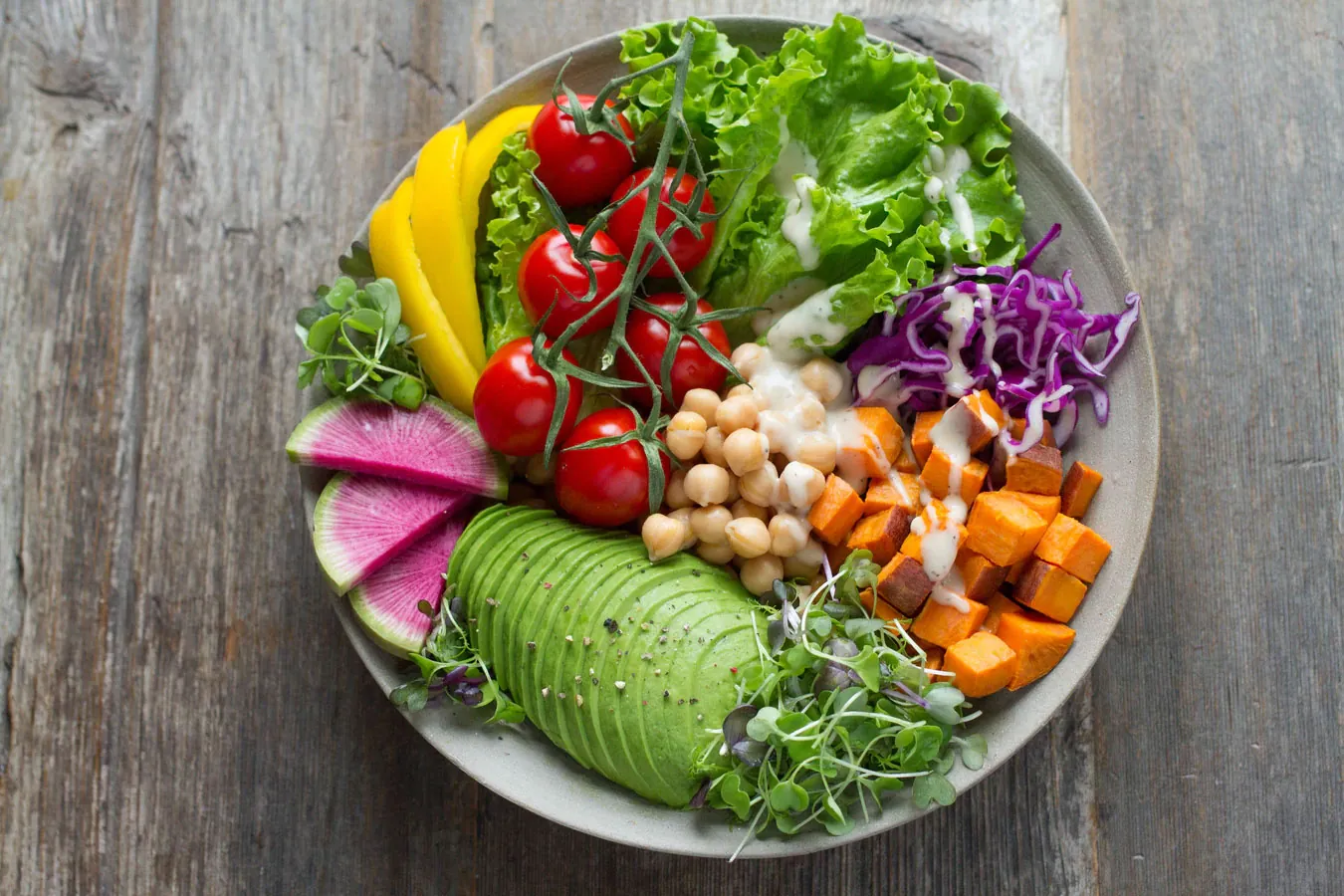
Since we truly understand the importance that food has for our health, we became a part of the Health & Wellness Cafe at the Comprehensive Blood and Cancer Center. We wanted to give this community a truly healthy option, because we are committed to the health of the people that live here. Along with high quality food, the cafe offers healthy eating programs to educate and aid in healthy eating for the community.

02

Giving Back 2020

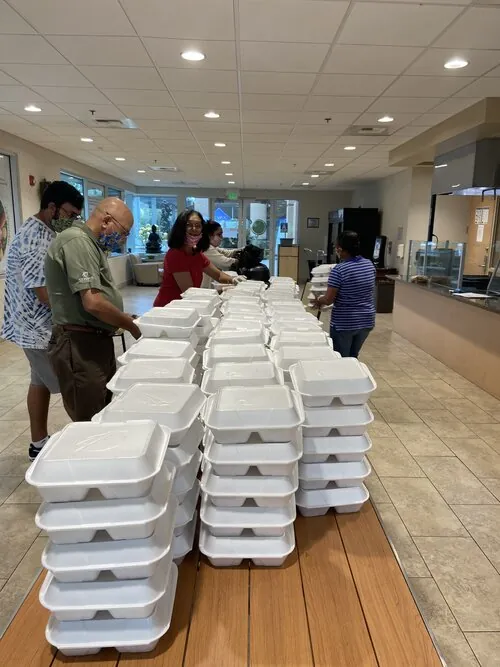
As part of our continued effort of giving back during the uncertainty and economic stress of the pandemic, the Ravi and Naina Patel Foundation has been preparing and serving 200 meals per day, five days a week.

Individual prepared meals are collected from the CBCC Health and Wellness Cafe then supplied to the local CityServe affiliate.

CityServe then works with a variety of regional churches and ministries across the county – Taft, Delano, Westchester, etc to distribute the meals. Through this program, we are able to continue nourishing food insecurities and building relationships with those in need within our community.

We began in the Summer of 2020 and will continue serving 200 meals a day through the end of 2021.

More of our work